


Chronic pelvic pain affects 1 in 5 women and can have a big impact on daily life. Learn what causes CPP, why it’s more than a gynaecological issue, and how psychology can support pain management and recovery.

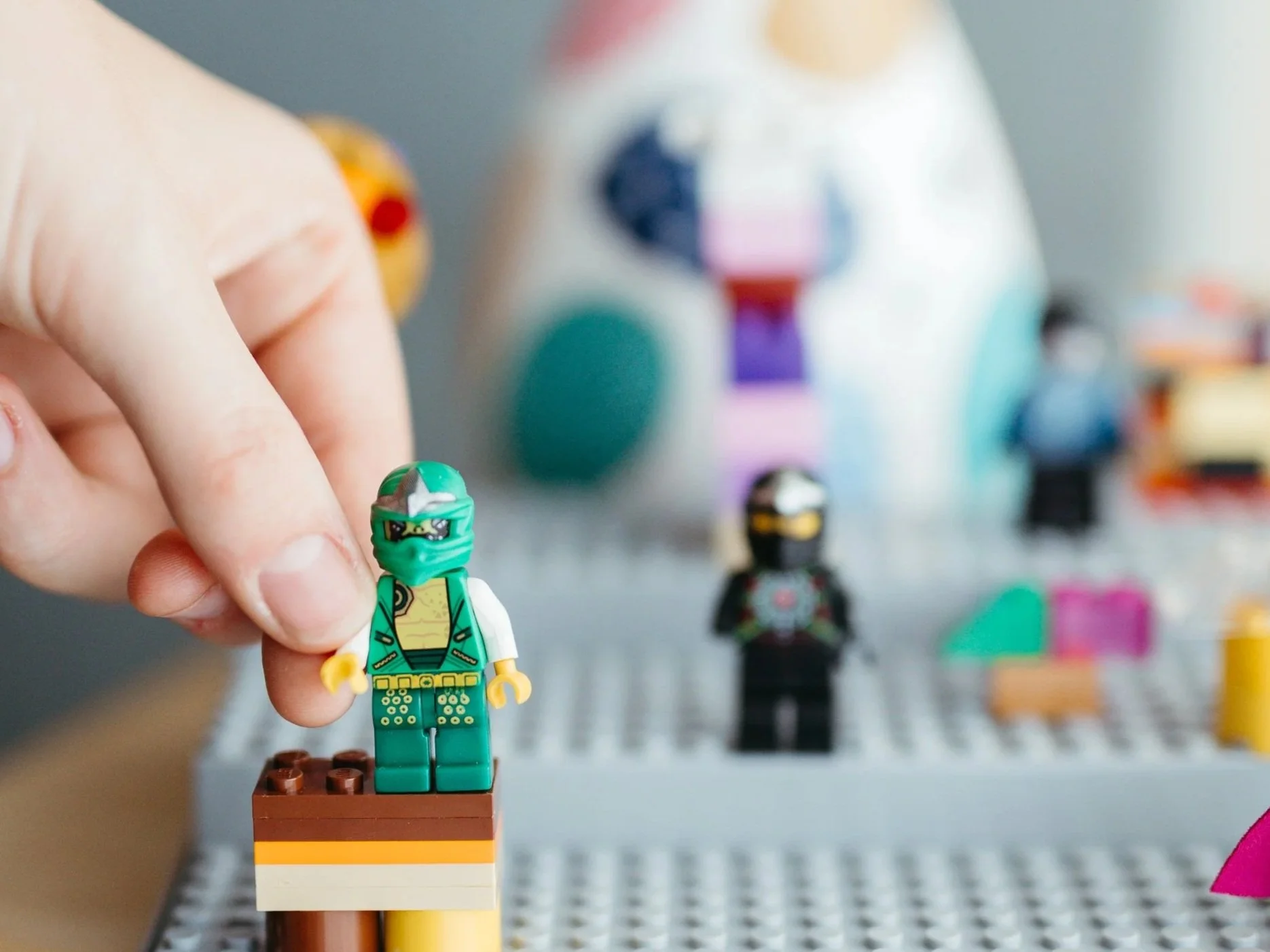
Play offers valuable opportunities for children to practise communication, emotional regulation, flexible thinking and social connection. Learn how a simple “Watch, Join, Wait, Add” approach can help you follow your child’s lead and support their development through everyday play.
Intrusive thoughts during pregnancy and early parenthood can feel frightening, vivid and out of character. This article explains what intrusive thoughts are, why they can feel so significant, how they differ from intentions, and when it may be helpful to seek professional support.
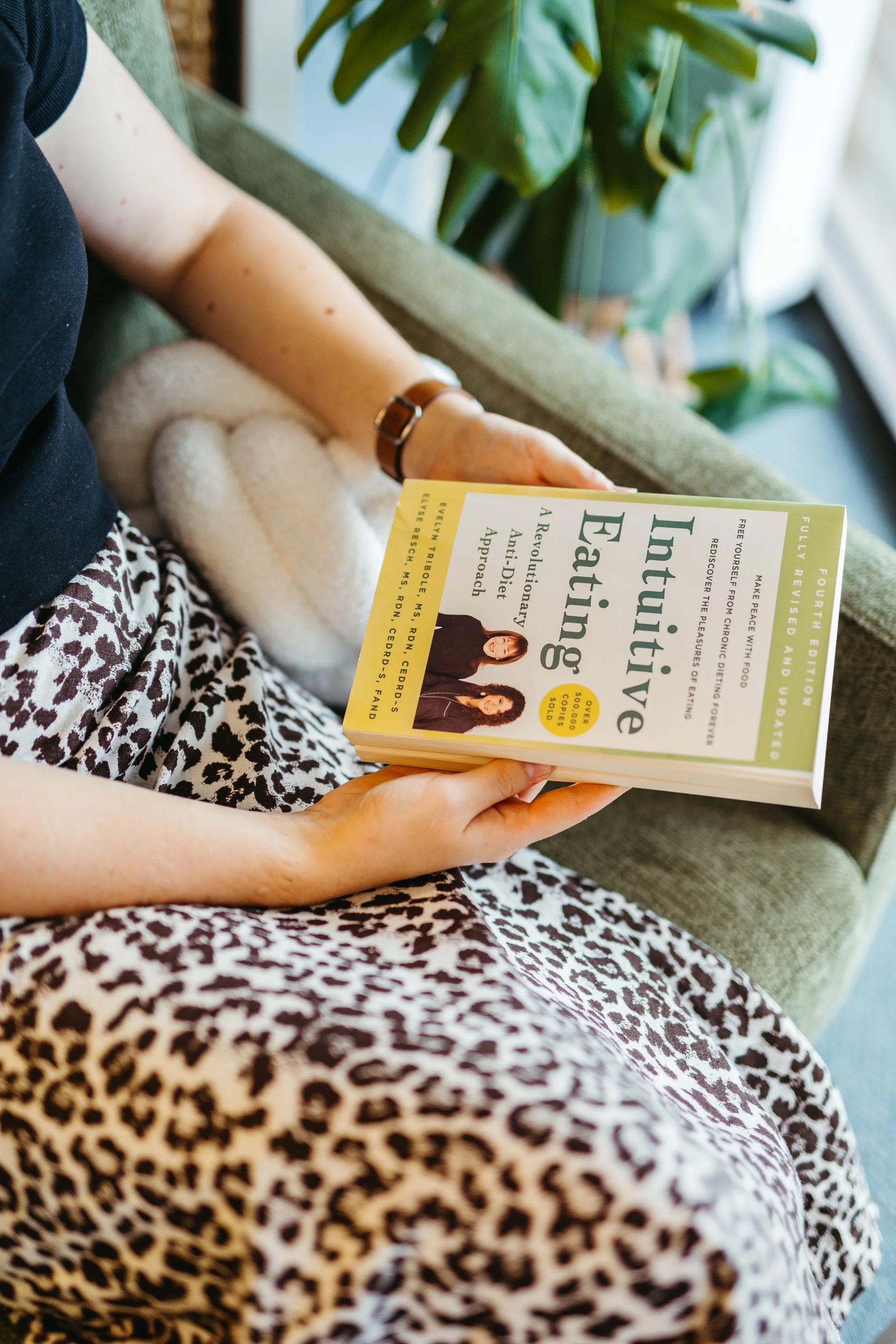
ADHD can affect impulse control, hunger awareness, reward-seeking and the ability to eat regularly. Learn why this can increase the likelihood of binge eating, how shame and restriction can maintain the cycle, and what may help.
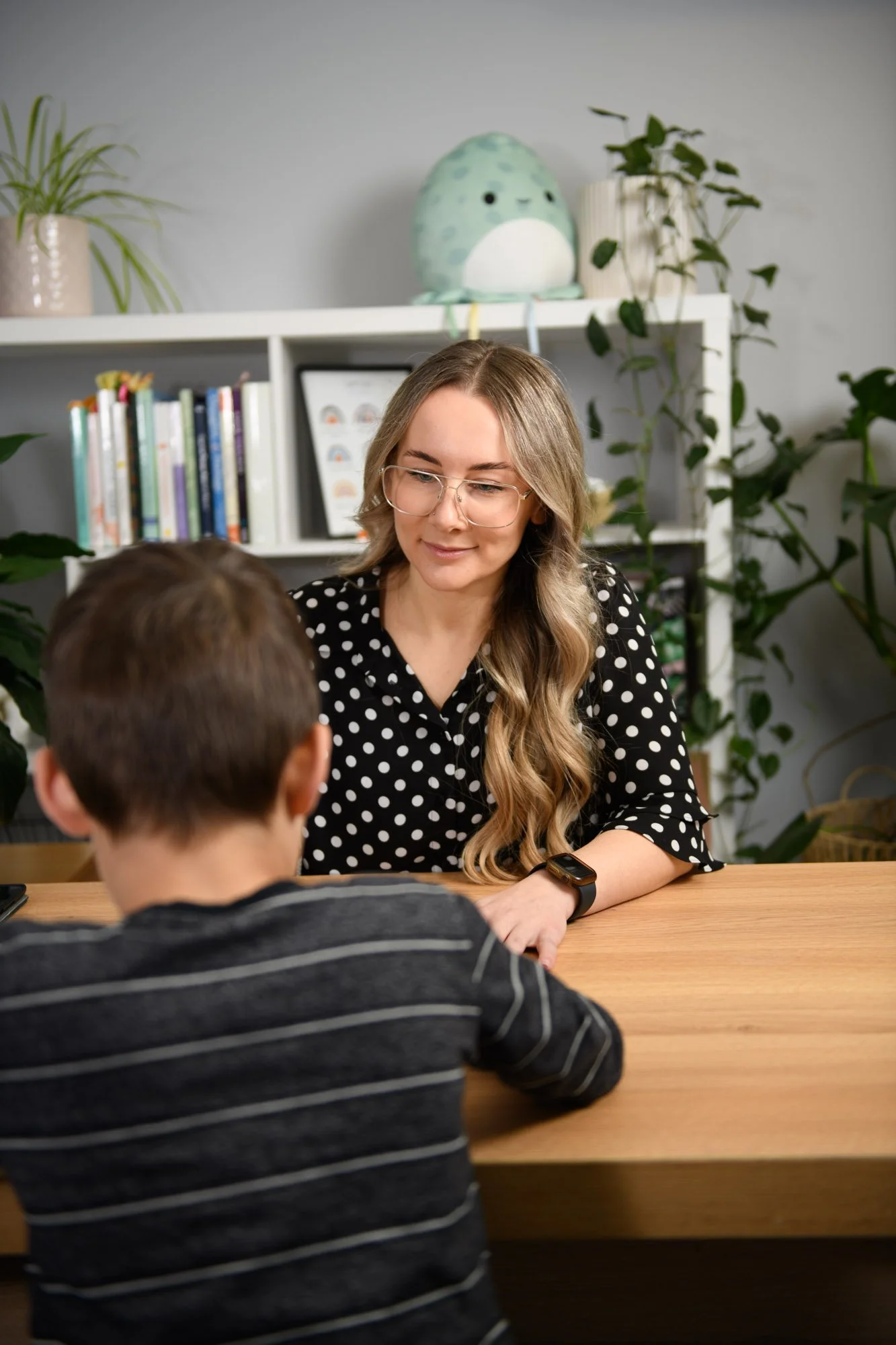
Wondering whether your child may benefit from a psychoeducational assessment? Learn about common signs of learning or attention differences, what these assessments involve, and how they can help families better understand a child’s learning profile and support needs.
Autism reflects a different way of processing and engaging with the world. This article explains how your child’s Autistic brain may experience daily life and offers practical, neurodiversity-affirming ways to strengthen connection at home.