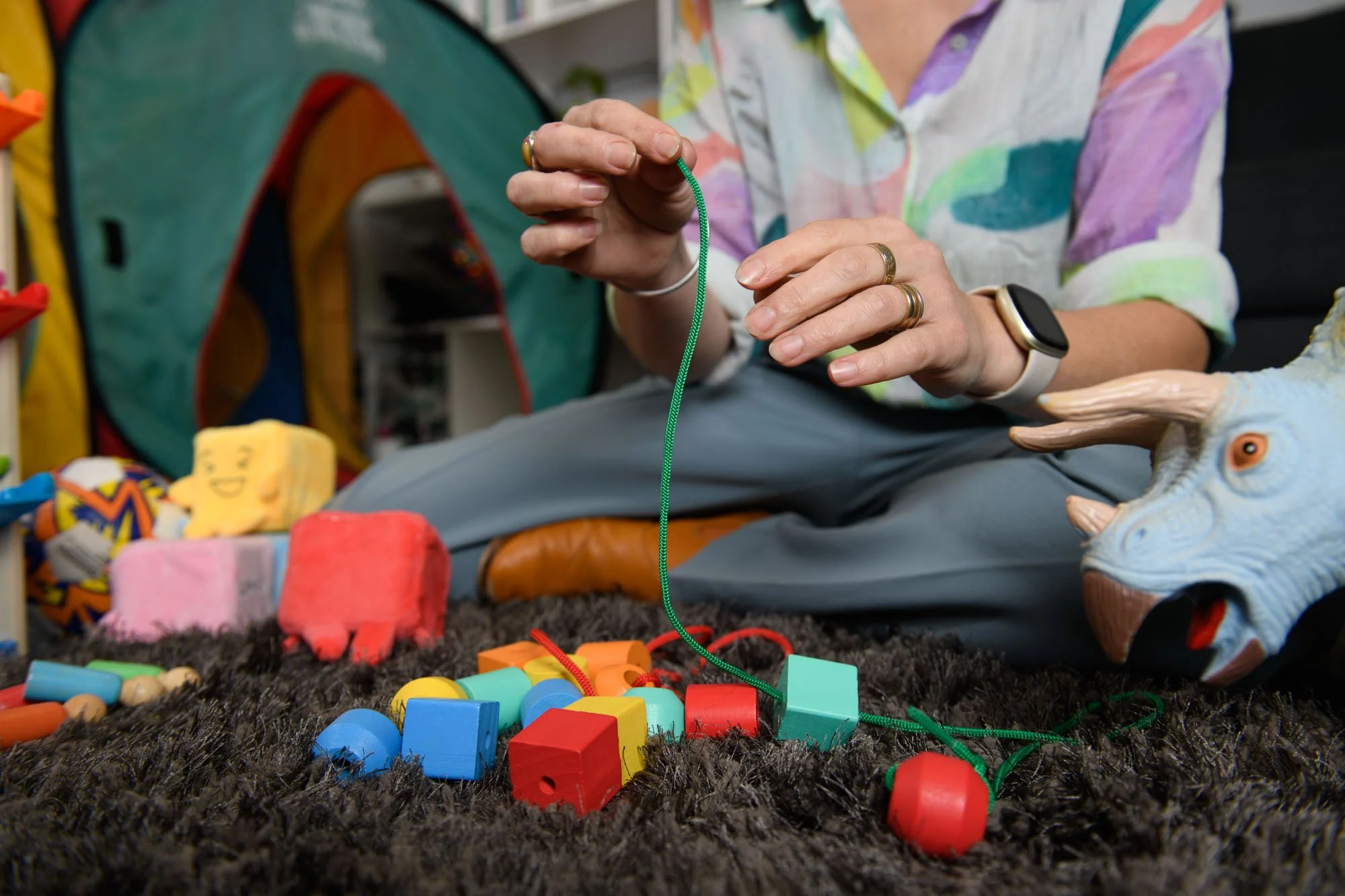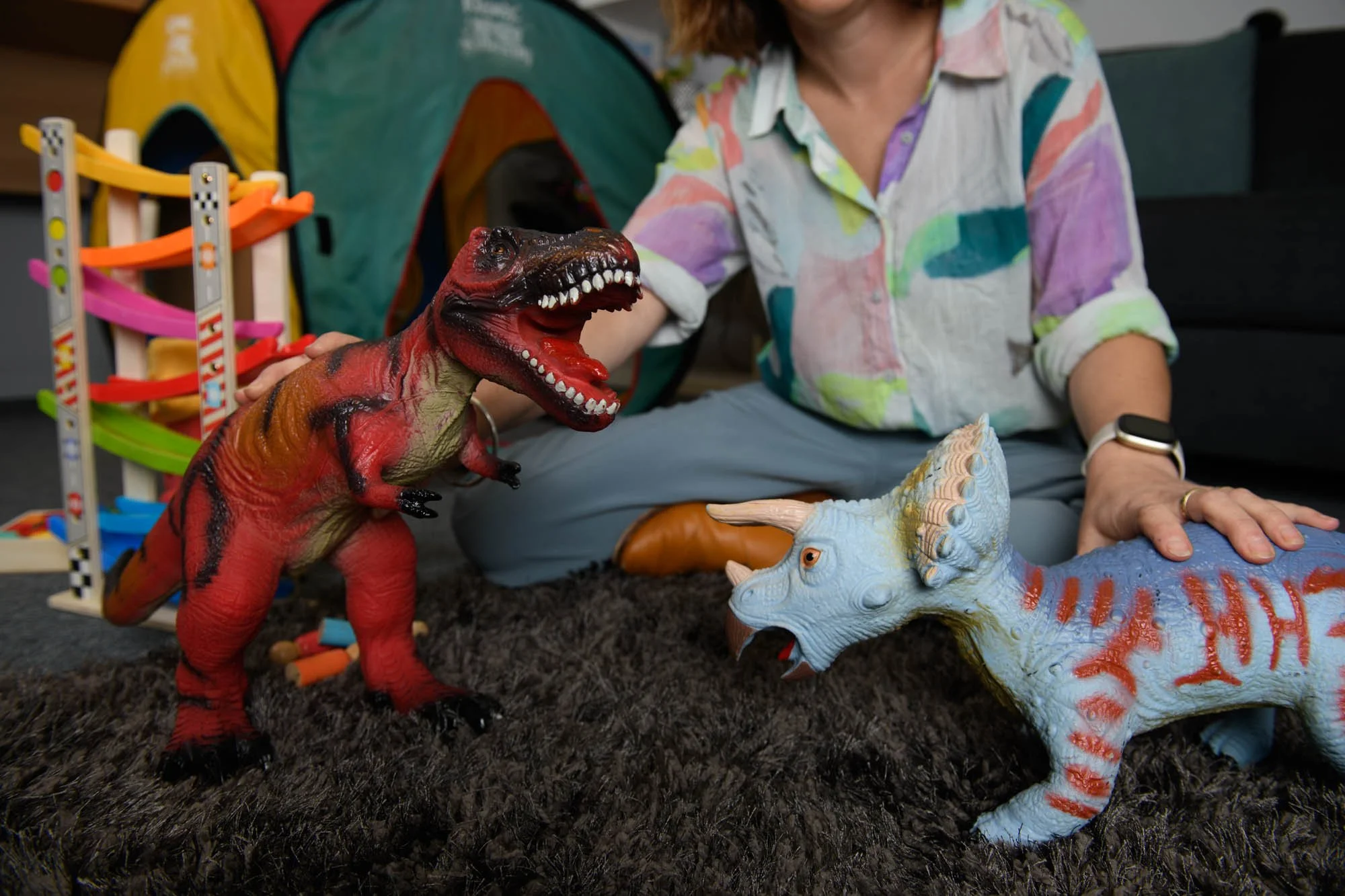

What happens during a play-based session, and how can parents support the process? Learn what these sessions may involve, what clinicians notice through play and how families can build on the work at home.

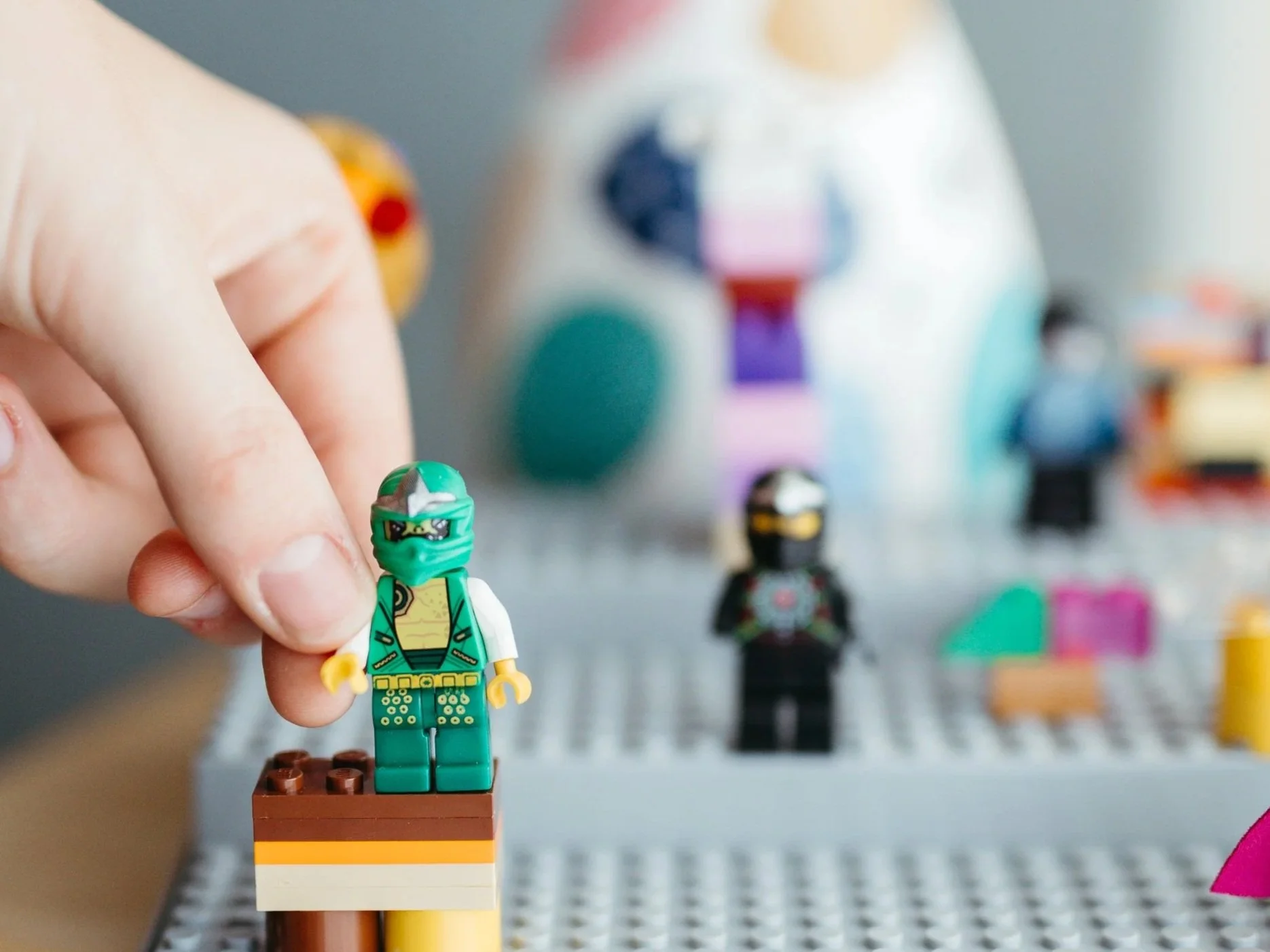
Play offers valuable opportunities for children to practise communication, emotional regulation, flexible thinking and social connection. Learn how a simple “Watch, Join, Wait, Add” approach can help you follow your child’s lead and support their development through everyday play.
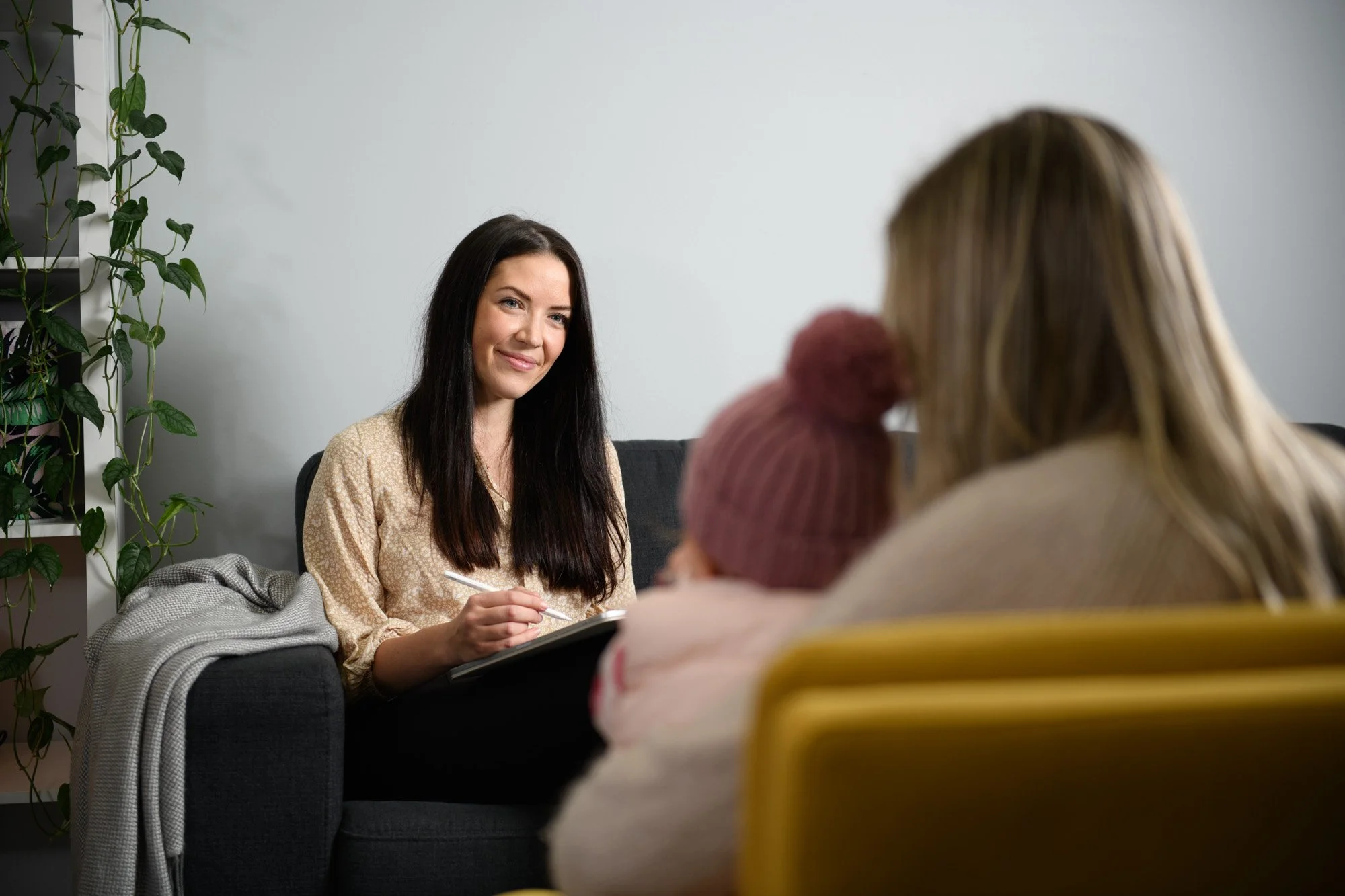
Intrusive thoughts during pregnancy and early parenthood can feel frightening, vivid and out of character. This article explains what intrusive thoughts are, why they can feel so significant, how they differ from intentions, and when it may be helpful to seek professional support.
ADHD can affect impulse control, hunger awareness, reward-seeking and the ability to eat regularly. Learn why this can increase the likelihood of binge eating, how shame and restriction can maintain the cycle, and what may help.
Wondering whether your child may benefit from a psychoeducational assessment? Learn about common signs of learning or attention differences, what these assessments involve, and how they can help families better understand a child’s learning profile and support needs.
Autism reflects a different way of processing and engaging with the world. This article explains how your child’s Autistic brain may experience daily life and offers practical, neurodiversity-affirming ways to strengthen connection at home.
Explore the importance of encouraging healthy risk-taking in children. Learn how positive psychology and development principles support resilience-building experiences and help children develop a growth mindset. Discover why providing opportunities for children to step out of their comfort zone is essential for their future success.
In a nutshell, a Growth Mindset refers to the idea that our abilities and knowledge can be developed. We can get smarter, do better, and achieve greater through putting in time and effort. This is in contrast to a Stuck Mindset, which refers to the idea that abilities and understandings are relatively fixed; aka, you either have it or you don't.
Why is this so important in parenting? Well, for starters, if we have a growth mindset we have more confidence to try again when we fail at something, we change direction when we realise we were stuck, and we ask for help when we need it. A growth mindset is more than thinking positive thoughts, or even having flexible thoughts. It's also more than just praising and rewarding effort, and it's definitely not enough by itself - even the strongest growth mindset needs to be backed up by taking action.
So what does a growth mindset look like in parents?
👉Thinking about the underlying cause of a parenting challenge, finding a new way, and applying that new way next time
👉Considering parenting difficulties as an opportunity to grow, rather than admitting defeat or concluding that it's just not your cup of tea
👉Adopting a curious attitude toward parenting and embracing opportunities to learn
👉Creating a belief in yourself, in your own parenting skills and abilities, and your capacity to change
👉Rewarding your parenting actions rather than your parenting traits
👉Being ok with being vulnerable and taking feedback, then committing to growth and taking pride in all your hard work and effort.
I challenge you to notice your stuck parenting thoughts and flip them into a growth thought (and then take action on this!).
How do you feel about your parenting from this point onward, once this happens?
Olivia Boer is a Clinical Psychologist and Director of Healthy Mind Centre Launceston, a private allied health practice in Launceston, Tasmania.

Photo by Markus Spiske on Unsplash.